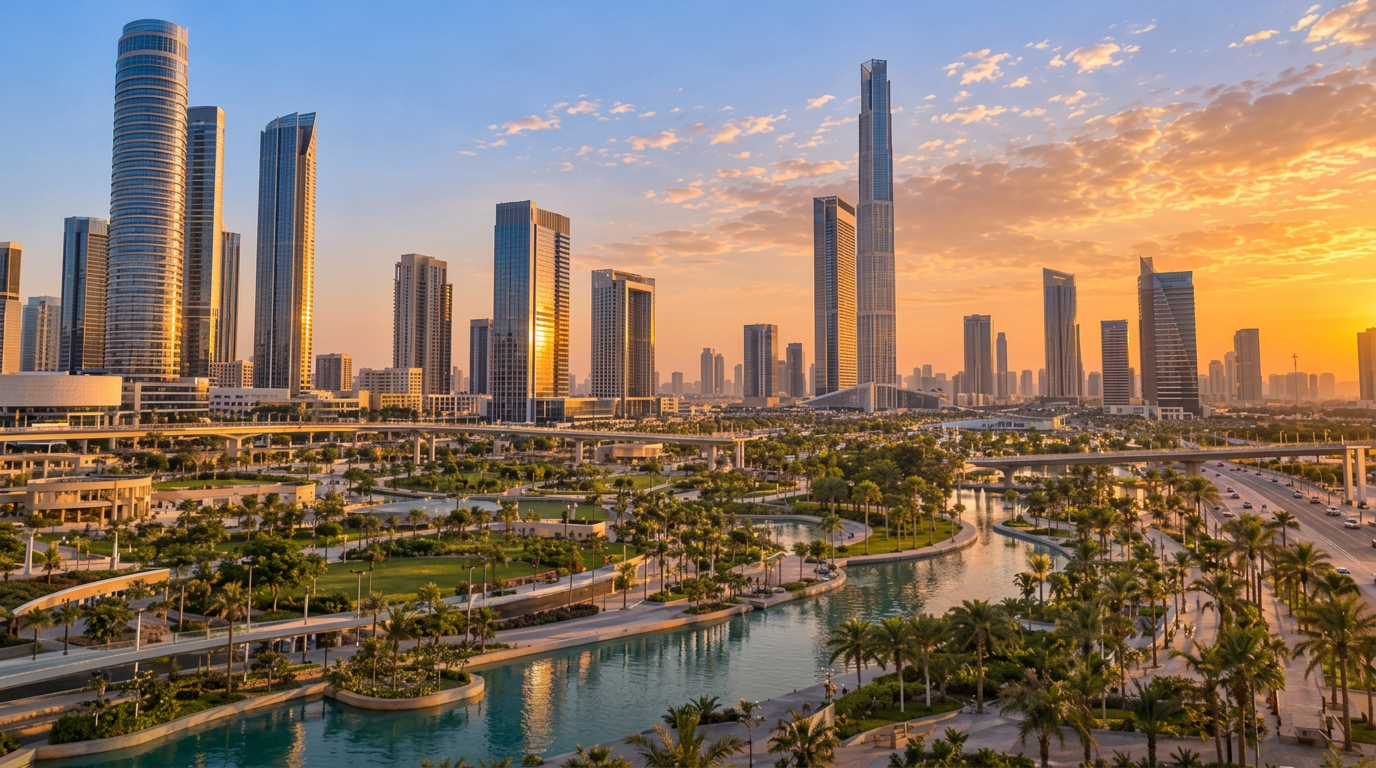
Egypt real estate investment rests on measurable foundations: a population of 109.5 million that adds about one million people every nine months, GDP growth of 5.1% in FY2025/26, inflation down to 12.7% by August 2026, and a record of about 19 million tourists in 2025.
This guide sets out those foundations one by one (economy, infrastructure, ownership law, stability, population and tourism), with the risks a long-term buyer should weigh alongside them. Every figure carries its source and date.
Best property for investment in Egypt
How strong is Egypt’s economy right now?
After a difficult 2023, when inflation peaked near 38%, the main indicators have turned. The Ministry of Planning reported GDP growth of 5.1% in FY2025/26, up from 4.4% the year before, led by manufacturing and ICT. On 8 October 2026, the Finance Ministry said the economy had grown “despite regional tensions”, after Fitch affirmed Egypt’s rating at B with a stable outlook.
| Indicator | Latest figure | Date | Source |
| Real GDP growth | 5.1% (from 4.4%) | FY2025/26 | Ministry of Planning and Economic Development |
| Annual inflation | 12.7% | August 2026 | Ministry of Planning and Economic Development |
| Unemployment | 5.8% | Q2 2026 | Ministry of Planning and Economic Development |
| Primary budget surplus | 4.9% of GDP | FY2025/26 | Ministry of Finance |
| Sovereign rating | B, stable outlook | October 2026 | Fitch Ratings, via Ministry of Finance |
| Population | 109,540,965 | 19 September 2026 | CAPMAS population clock |
For property, falling inflation and steady growth matter because they support the incomes and confidence that drive housing demand. They do not remove risk, which is covered further down.
Why does Egypt’s population growth matter for property?
Housing demand starts with people, and Egypt keeps adding them. CAPMAS recorded the move from 108 to 109 million in 267 days, between August 2025 and May 2026, and counted 109,540,965 residents on 19 September 2026. It is the most populous country in the Arab world.
The age profile adds depth. According to CAPMAS, 30.7% of Egyptians are under 15 and 40% are aged 15 to 39, the age band that includes most first-time renters and buyers. With an urbanisation rate of 42.7%, the shift towards cities is still under way. Cairo alone holds 10.5 million people and Giza 9.9 million.
Which infrastructure projects are changing where Egyptians live?
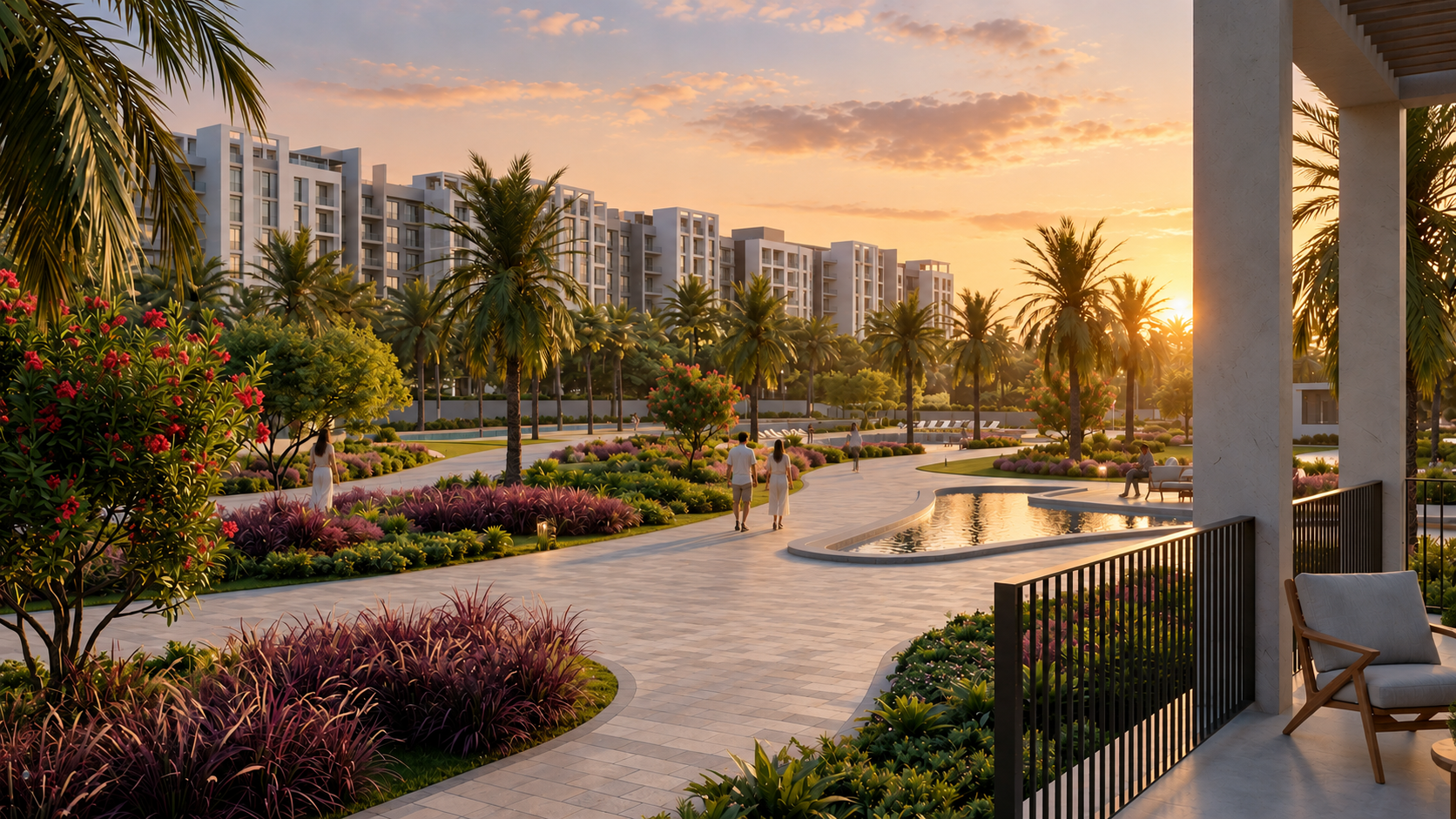
New infrastructure shapes which districts become easier to live in over a decade. Several large projects are now operating or well advanced:
| Project | Status | Source |
| Grand Egyptian Museum, Giza | Opened 1 November 2025; about 4 million visitors to end of August 2026 | Ministry of Tourism and Antiquities |
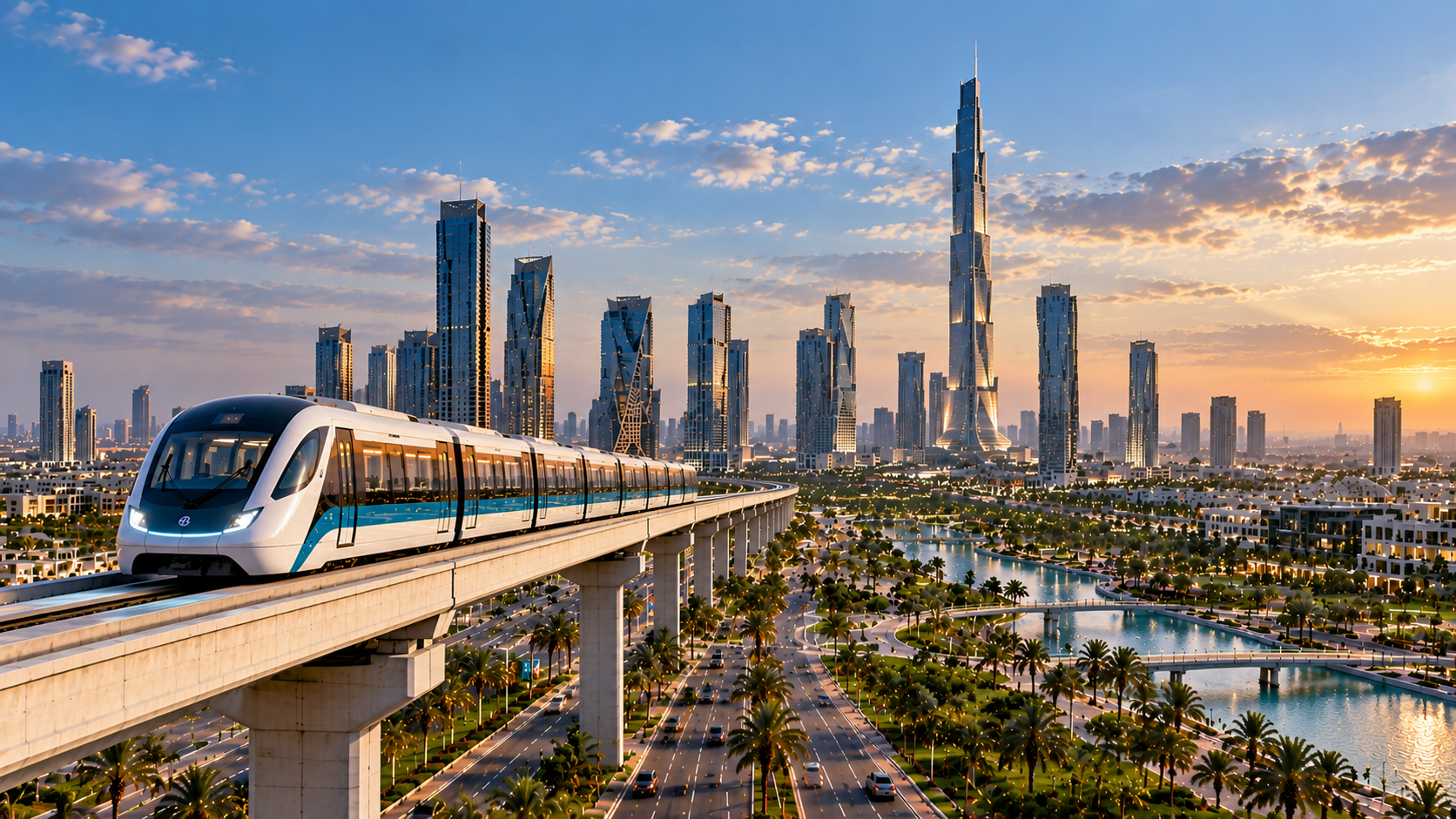
| East Nile Monorail, East Cairo | In passenger service since May 2026, including a Golden Square station | Egyptian Streets; Ahram Weekly |
| High-speed rail Line 1 (Ain Sokhna to Marsa Matrouh) | Over 65% complete; first-phase operations targeted for 2027 | Osoul Misr (Oct 2026); Roger Farnworth rail review (Jul 2026) |
| Ras El Hekma, North Coast | USD 35 billion development deal with ADQ, signed February 2024 | Government of Egypt; ADQ |
For buyers, the pattern is practical: districts on new transport lines, such as New Cairo along the monorail, gain access that older locations already had. Planned projects are listed here only when they have a published status; a contract without a construction start is a plan, not a project.
Egypt’s top real estate developers
Can foreigners buy property in Egypt?
Yes. Law 230 of 1996 allows non-Egyptians to own residential property, as summarised by Andersen Egypt and the General Authority for Investment (GAFI):
- Up to two residential properties per foreign owner, each up to 4,000 sqm.
- A five-year hold before the property can be sold.
- Property of historical significance is excluded.
- In North and South Sinai, non-Egyptians hold usufruct rather than freehold.
Ownership is registered with the Real Estate Registration and Notarisation Authority, at official fees of EGP 500 to EGP 3,900 plus an EGP 100 form, under 2022 amendments reported by Ahram Gate. This is general information, not legal advice: confirm current rules with an Egyptian property lawyer before signing.
The full rules on foreign ownership
What Egypt’s 2026 property tax means for a second home
Is Egypt stable enough for long-term property investment?
The measurable signals point to resilience through a turbulent period. Growth reached 5.1% in FY2025/26 while the region was under strain, Fitch held the rating at B with a stable outlook in October 2026, and tourism, a sector that responds quickly to perceived security, set a record of about 19 million visitors in 2025, up 21% on 2024, according to the Ministry of Tourism.
Regional tension has still had a cost. Suez Canal revenue fell from USD 10.25 billion in 2023 to USD 3.99 billion in 2024 as Red Sea shipping was disrupted; it was recovering by August 2026, at USD 567.1 million for the month against USD 326 million a year earlier, according to Egyptian Streets. No published data links that disruption to a fall in tourist arrivals.
How does tourism support Egypt real estate investment?
Tourism brings rental demand, foreign currency and international attention to the places people stay. The Grand Egyptian Museum, beside the Giza Pyramids, displays more than 5,000 objects from Tutankhamun’s tomb together, and drew about 4 million visitors in its first ten months. The Cabinet’s Information and Decision Support Center, citing BMI, forecasts about 20.19 million arrivals in 2026 and 23.78 million by 2030.
The same appeal reaches beyond Cairo: Red Sea resorts, Luxor and Aswan, and the Mediterranean coast each draw their own visitors, which spreads holiday-home and rental demand across several markets.
The full Red Sea investment analysis
What are the risks of investing in Egyptian property?
- Currency: the pound moved from about EGP 7.15 to the US dollar in 2014 to EGP 52.41 in October 2026, a loss of about 86% of its dollar value. Rising EGP prices are not the same as rising value; compare in a stable currency.
- Inflation: it has fallen, but the World Bank projects it edging up to 14.2% in FY2026/27, and the Central Bank’s range runs from 15.2% to 17.8%.
- Regional exposure: Suez Canal revenue shows how outside events reach Egypt’s economy.
- Market noise: portal asking prices vary widely within one project, so judge value on comparable sales, not averages.
Final Word
The long-term case for Egypt real estate investment rests on measurable foundations: a population passing 109.5 million, growth of 5.1%, inflation well below its 2023 peak, a clear legal route for foreign owners, and record tourism. The risks are real, and the currency comes first among them. Contact D5 Realty for a shortlist matched to your budget, timeline and the market that fits your plans.
Relevant D5 Realty Property Listings
Each price shown on a listing is the asking price for that unit, not a project-level price. Open each page for size, layout and current availability.
East Cairo
- Standalone Villa in Mivida, New Cairo: Emaar Misr
- First-Row Golf Standalone Villa in Terencia, Uptown Cairo: Emaar Misr, Mokattam
West Cairo
- Prestige Standalone Villa in Eden, Cairo Gate: Emaar Misr
- Prime Beach Residence in Belle Vie: Emaar Misr, New Zayed

Frequently Asked Questions
- Is Egypt real estate investment a good long-term option?
It can be, for buyers who plan in a stable currency and hold for years. The foundations are measurable: GDP growth of 5.1% in FY2025/26, inflation down to 12.7% by August 2026, and a population growing by about one million every nine months. The main risk is the pound, which has lost about 86% of its dollar value since 2014.
- Can foreigners buy property in Egypt?
Yes. Under Law 230 of 1996, a non-Egyptian can own up to two residential properties, each up to 4,000 sqm, with a five-year hold before resale. In North and South Sinai, non-Egyptians hold usufruct instead of freehold. Confirm current rules with an Egyptian lawyer. (Andersen Egypt; GAFI)
- How fast is Egypt’s population growing?
Egypt added one million people in 267 days, moving from 108 million in August 2025 to 109 million in May 2026, according to CAPMAS. The population clock read 109,540,965 on 19 September 2026, with 30.7% of people under 15 and 40% aged 15 to 39.
- How is Egypt’s economy performing in 2026?
Growth reached 5.1% in FY2025/26, up from 4.4%, according to the Ministry of Planning, with inflation at 12.7% in August 2026 and unemployment at 5.8% in the second quarter. Fitch affirmed Egypt’s B rating with a stable outlook in October 2026. Forecasters expect inflation to edge up again in FY2026/27.
- Has regional tension affected Egypt’s economy?
Yes, mainly through shipping. Suez Canal revenue fell from USD 10.25 billion in 2023 to USD 3.99 billion in 2024 amid Red Sea disruption; monthly revenue was recovering by August 2026, at USD 567.1 million against USD 326 million a year earlier. Tourism set a record of about 19 million visitors in 2025. (Egyptian Streets; Ministry of Tourism)
- How does tourism affect property demand in Egypt?
Tourism creates rental and holiday-home demand where visitors stay. Egypt received about 19 million tourists in 2025, up 21%, and the Grand Egyptian Museum drew about 4 million visitors in its first ten months. A BMI forecast cited by the Cabinet expects about 20.19 million arrivals in 2026.